
Description
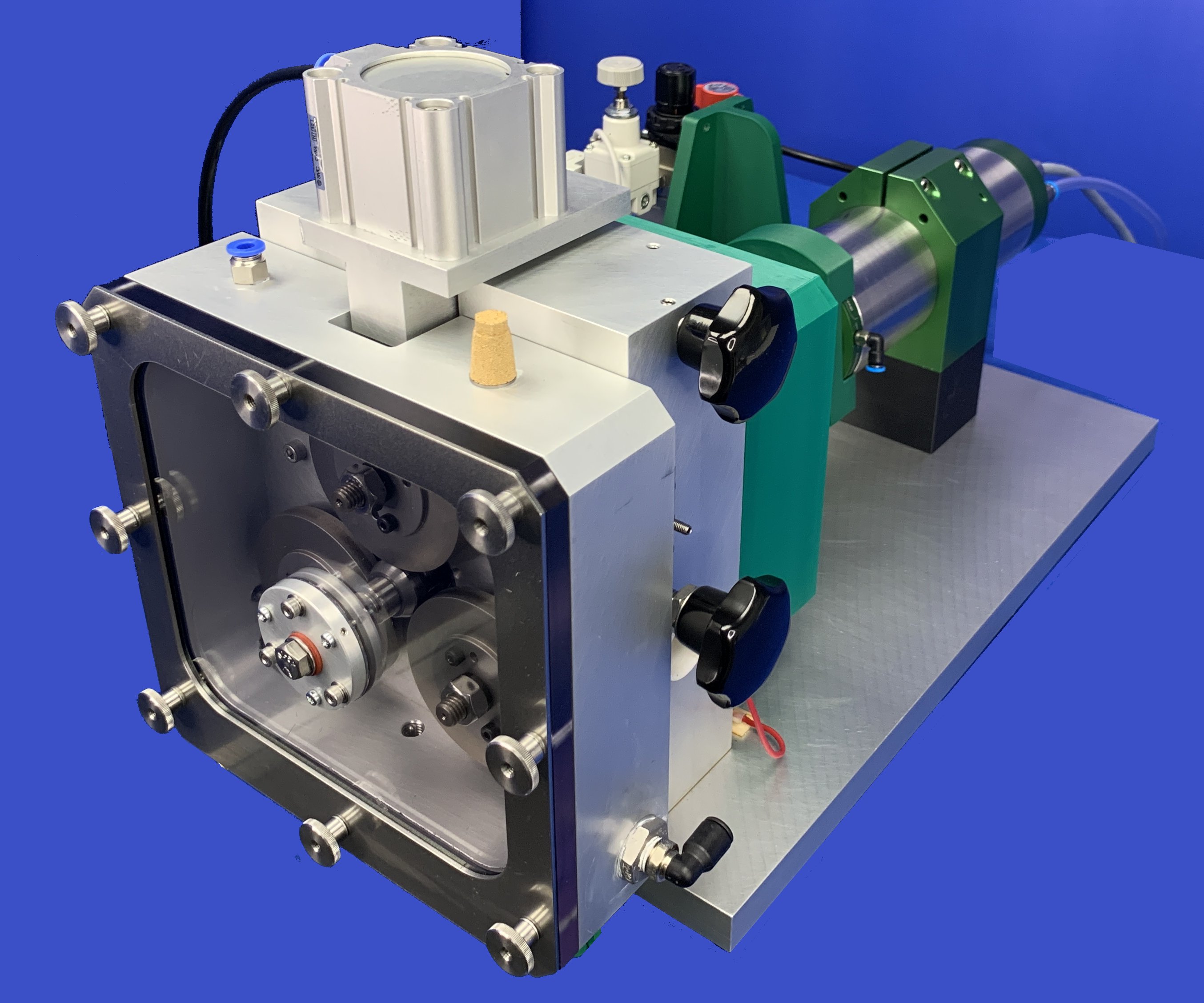
The ST-PR Pitting Rig features a three-disc-on-roller configuration designed to investigate RCF failure mechanisms, including macro and micro pitting in rolling-sliding contacts under both dry and lubricated conditions.
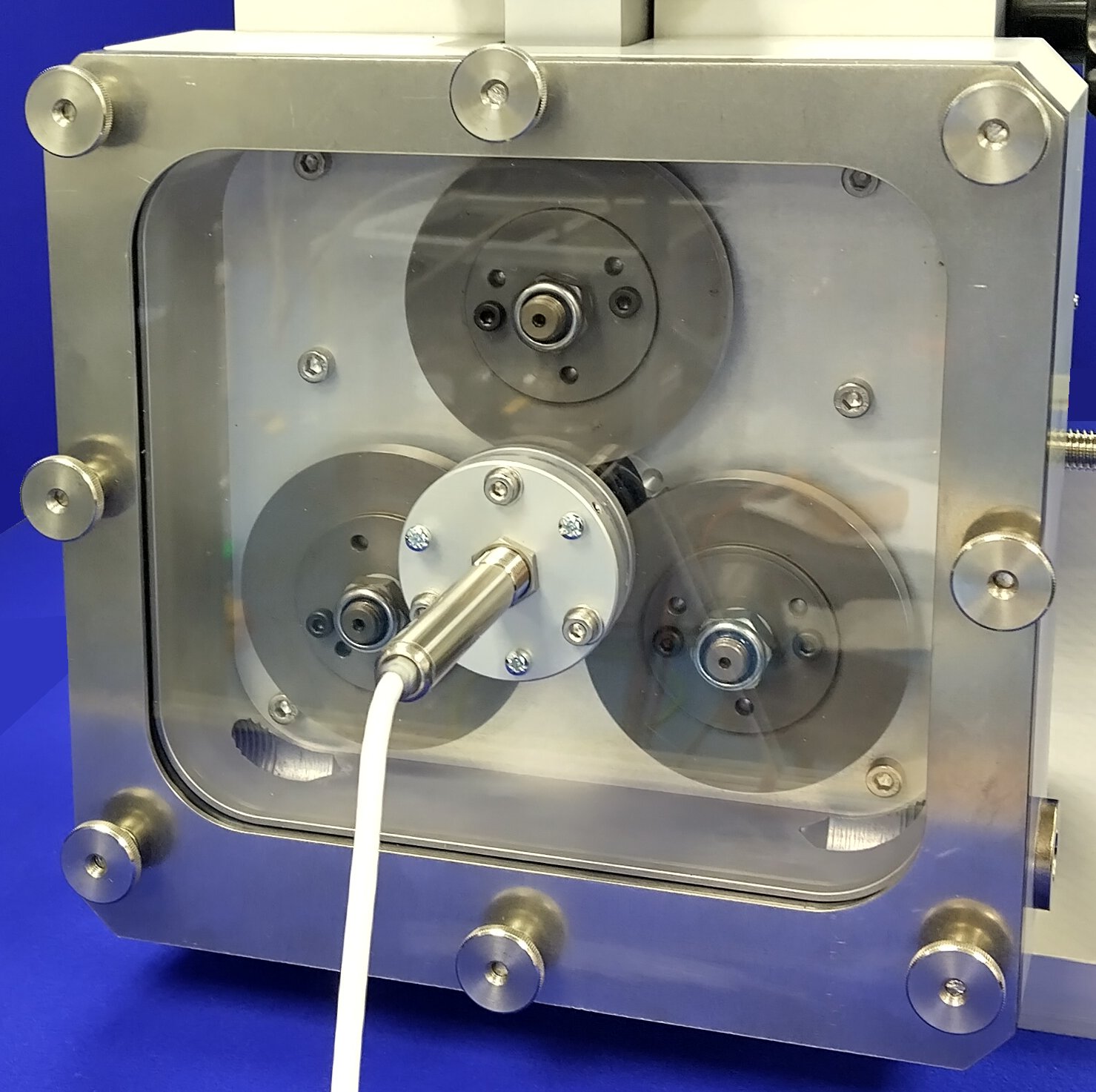
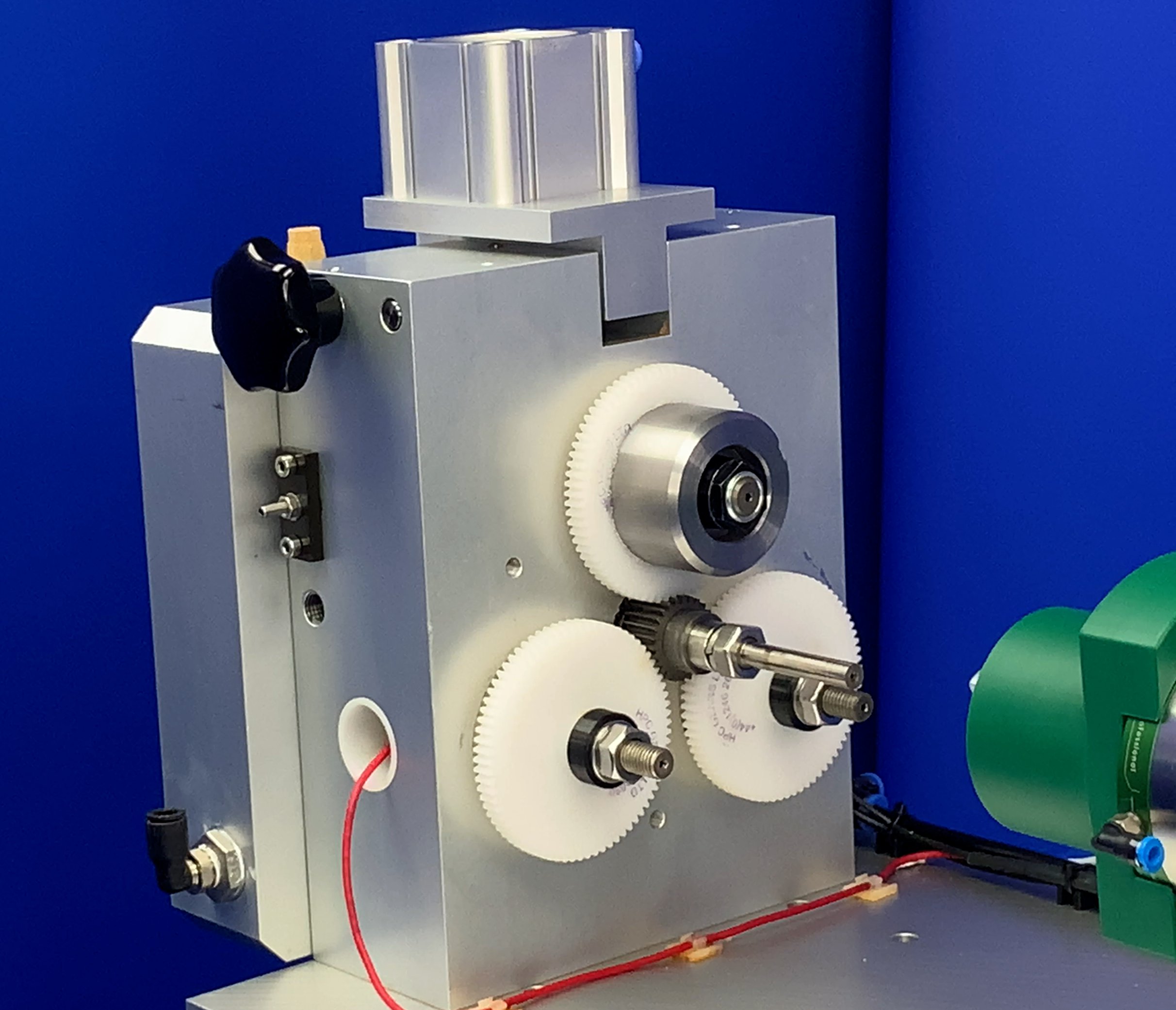
The test roller specimen is driven by a single motor, utilizing a circulating torque mechanism with gear pairs, which eliminates the need for high-capacity drive motors. Different Slide Roll Ratios (SRR) are achieved by selecting the appropriate gear pairs and/or varying the diameters of the discs and test roller.
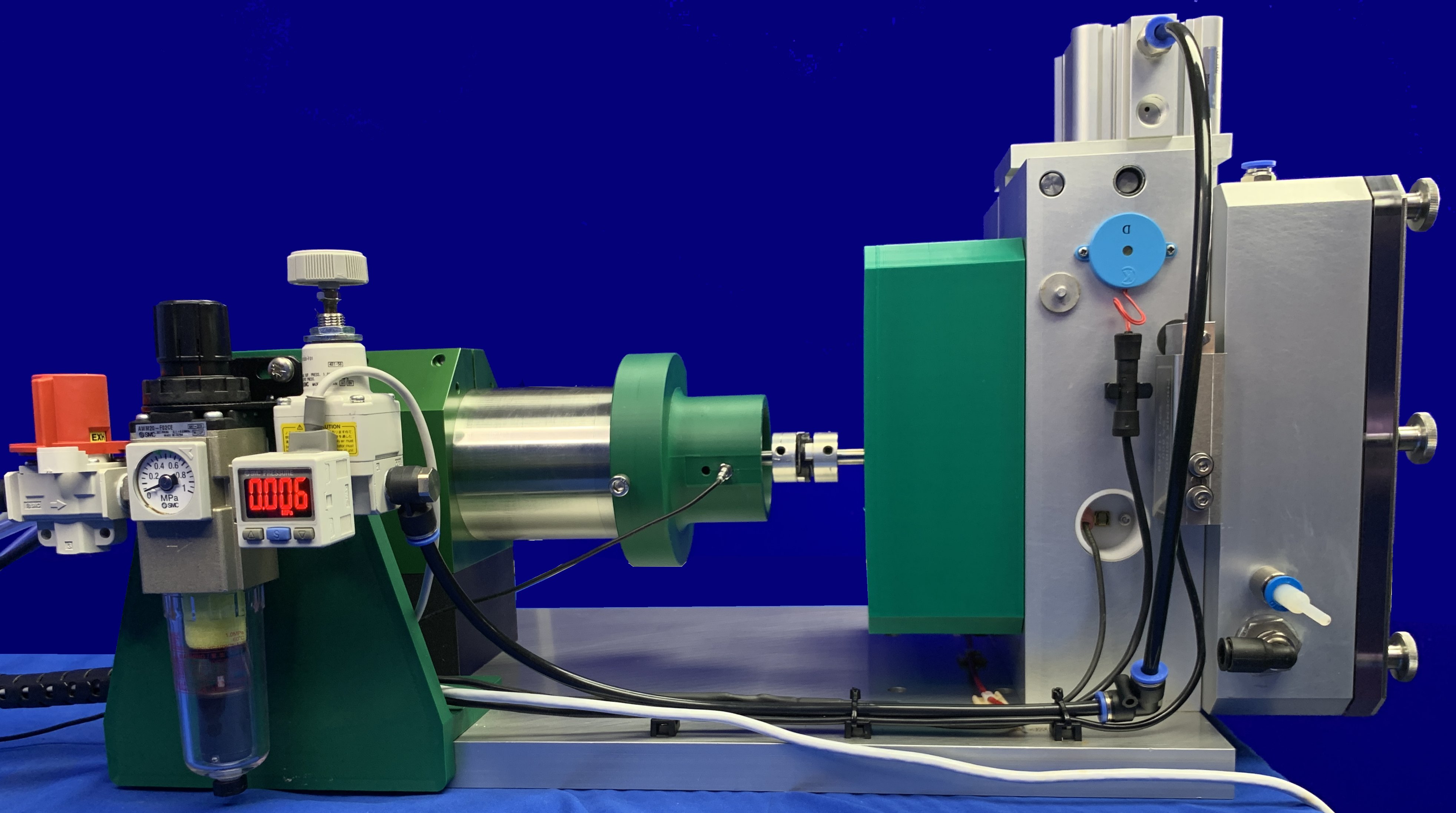
Load is applied via a manually adjusted pneumatic cylinder action on the top disc, which is mounted on a floating shaft. A precision pressure transducer is used to indicate the load, which is then transmitted to the test roller, which is also mounted on a floating shaft. Finally, the load on the test roller is transmitted to the lower discs, which are mounted on fixed shafts.
A load cell reacts the horizontal force acting on the upper disc, which is generated by traction between the test roller and the upper disc.
The two lower discs are electrical insulated and fitted with brushes, allowing electrical contact measurements between each disc, through the contacts with the roller specimen.Test Configurations
Various disc and test roller geometries can be used to achieve different Hertzian contact pressures and slide-roll ratios. Test speeds are controlled through a high-speed motor spindle with a frequency inverter to achieve the desired surface velocity of the discs and rollers. The test temperature is regulated via a lubrication circulation system with a temperature-controlled feedback mechanism.
Typical Results
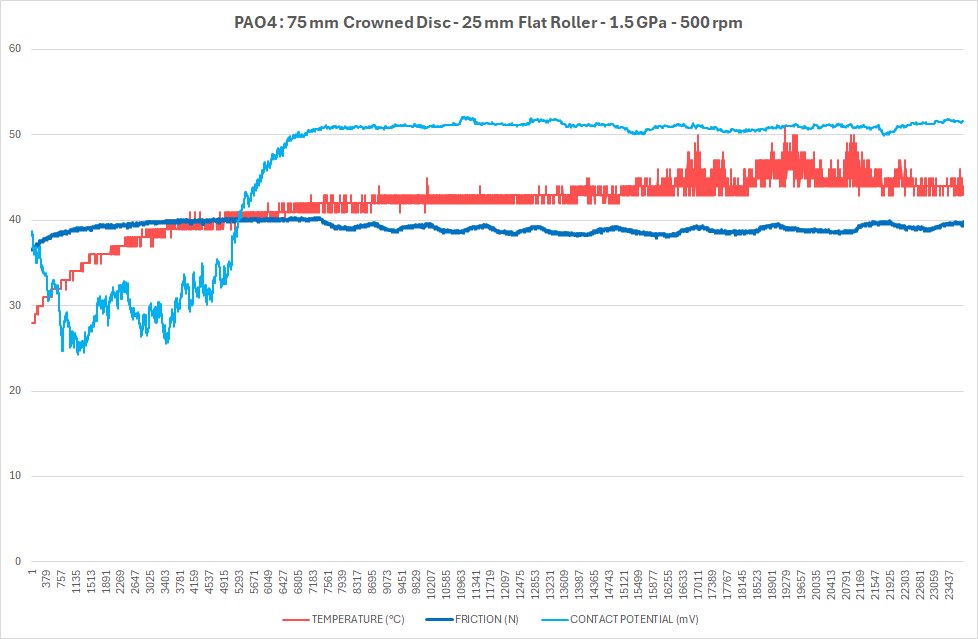
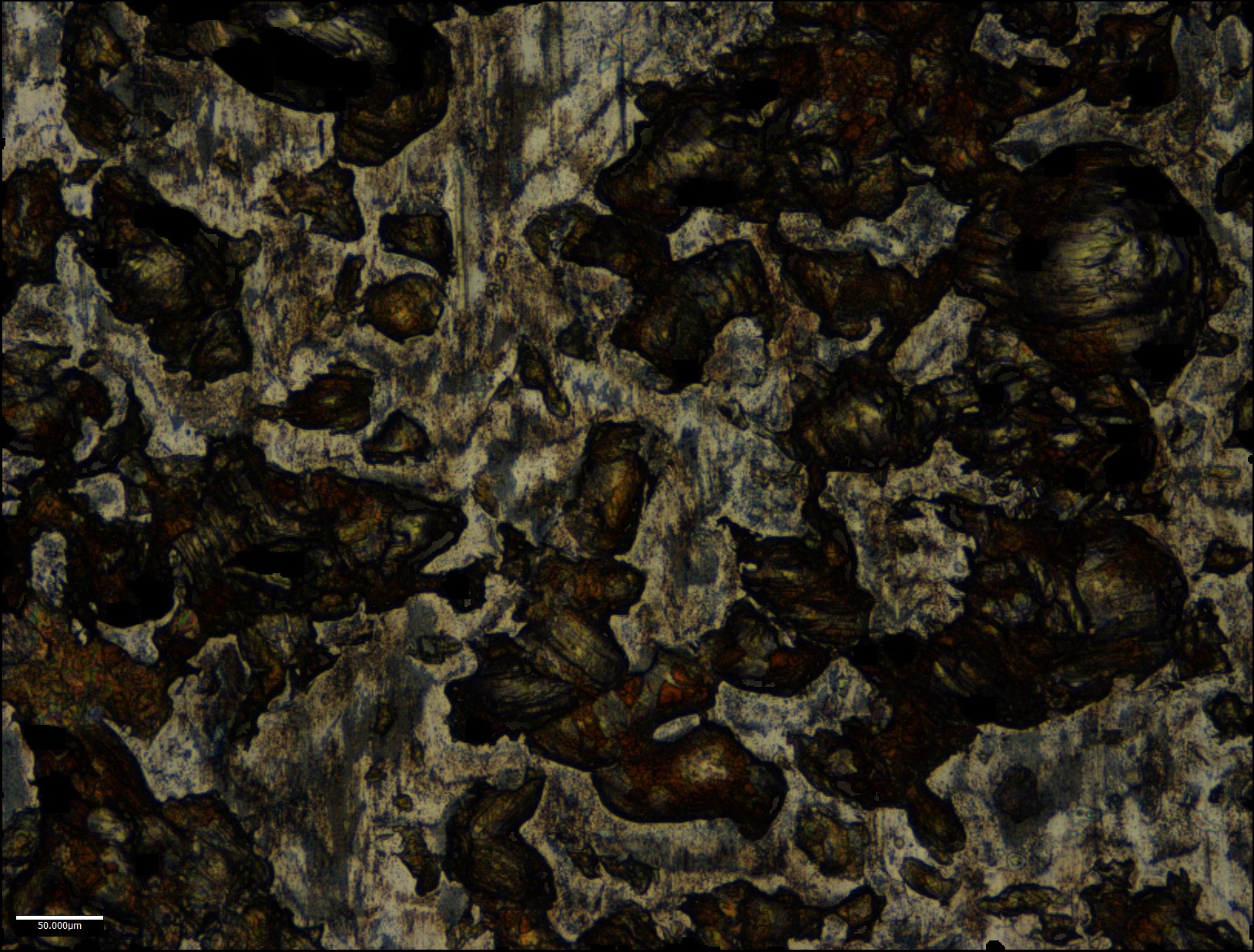
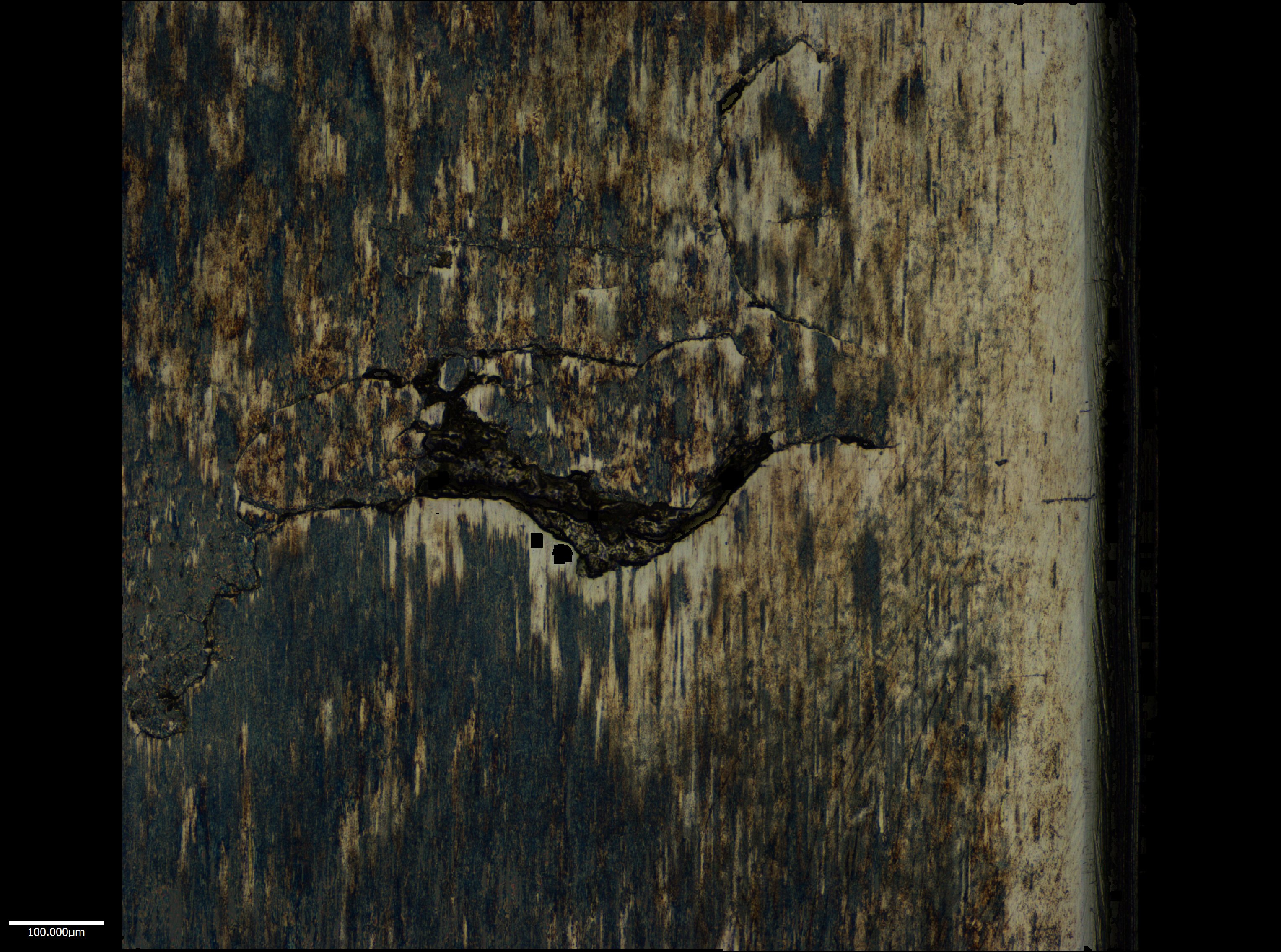
-
Technical Specifications
Machine Type: Circulating torque (back-to-back geared) Contact: Line or Elliptical Driving Discs: 75 mm diameter – can be varied Test Roller: 25 mm diameter – can be varied Shaft Centre Distance: 50 mm Load Range: 20 to 2,000 N Loading Method: Pneumatic Load Measurement: Pressure transducer Load Control: Manual precision pressure regulator Traction Force: Load cell Traction Contact: Uppder disc and test roller Contact Resistance: Lunn-Furey circuit or LCR circuit Contact Path: Lower disc – test roller – lower disc Slide Roll Ratio – Standard: Driving/Driven Gears: 26/74 giving SRR of -5.26 Slide Roll Ratio – Standard: Driving/Driven Gears: 28/72 giving SRR of -15.3 Slide Roll Ratio: Other gear ratios available on request Maximum Roller Speed – with Traction: 6,000 rpm Maximum Roller Speed – Pure Rolling: 10,000 rpm Wear Analysis: Optical screening Temperature Range: Ambient to 150°C Temperature Sensor: k-type thermocouple Motor: 1.5 kW a.c. vector motor with liquid cooling Control & Data Acquisition: COMPEND software and USLIM interface Automatically Controlled Parameters
Rotational Speed Lubricant Temperature Test Duration Manually Controlled Parameters
Load Slide-Roll Ratios Lubricant Flow Rate Measured Parameters
Rotational Speed Load Traction (upper disc – test roller) Electrical Contact Resistance (lower disc – test roller – lower disc) Vibration Signal (uncalibrated) Temperature Test Duration Services
Electricity: 230 V, 6.4 A, 1.5 kW -
Overview Videos
Machine Overview
-
Index Tags
-

Call us on +44 (0) 1635 298279
Email : info@phoenix-tribology.com
Email : info@phoenix-tribology.com